Who Is Really Leading the Green-Energy Transition?
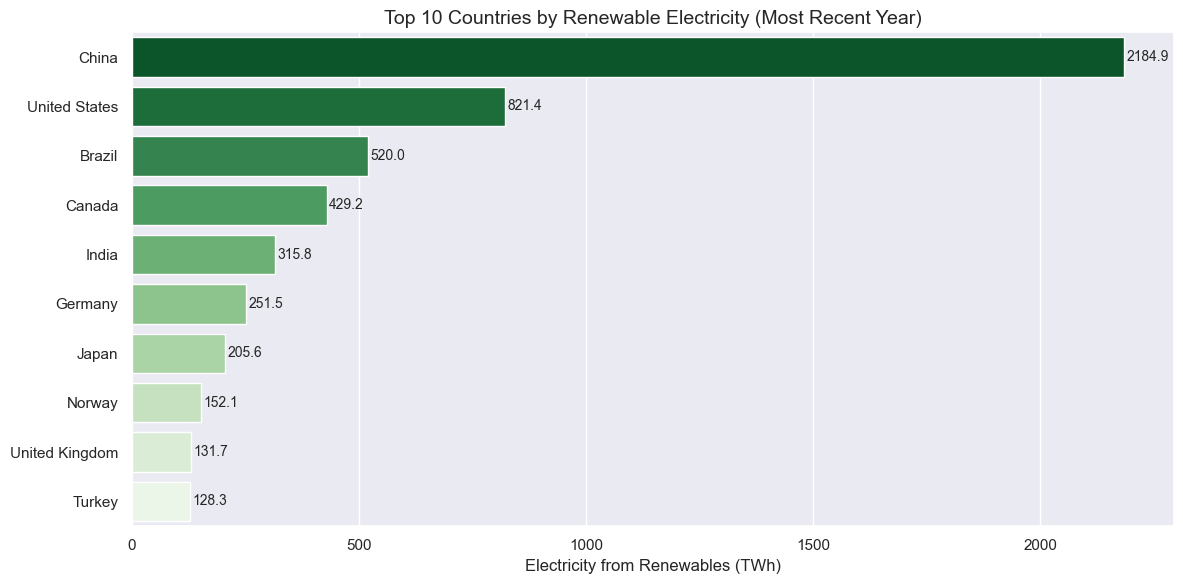
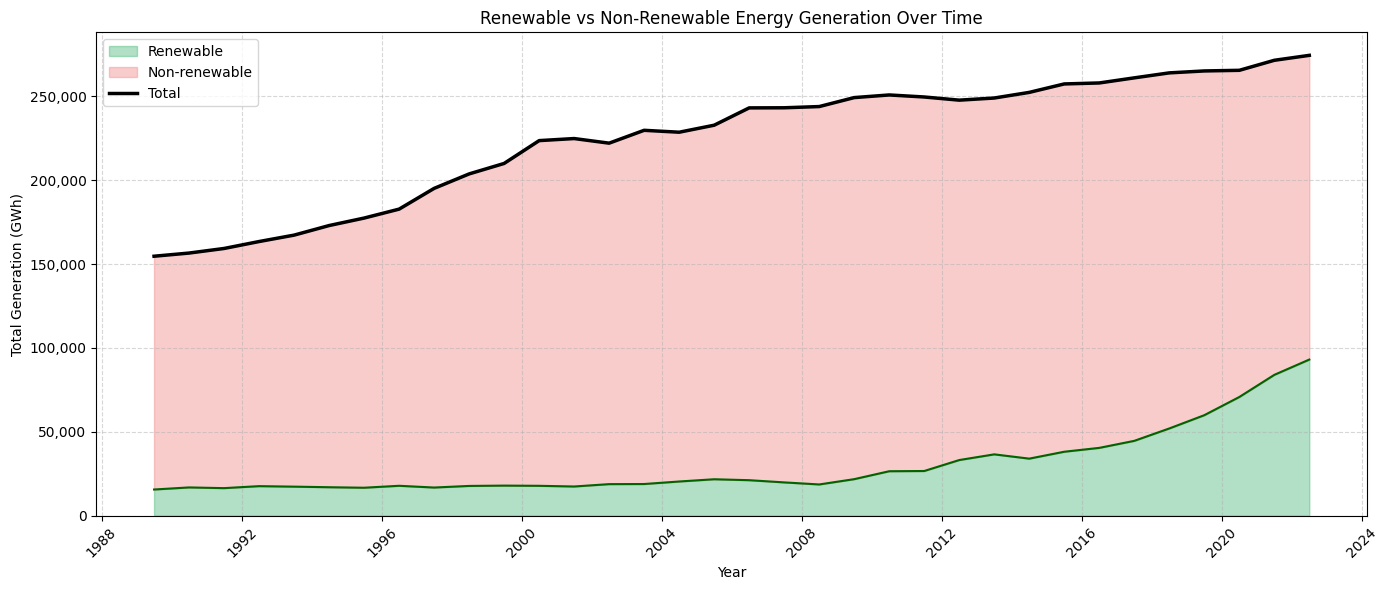
The most useful comparison is not who produces the most renewable electricity today, but which countries are following credible, repeatable growth trajectories.
Read articleField notes
Writing from the intersection of data, systems, policy, and the occasional human experiment.
The most useful comparison is not who produces the most renewable electricity today, but which countries are following credible, repeatable growth trajectories.
Read article
Climate policy is strongest when it links visible risk to the sectors and national systems where emissions reductions can have the greatest leverage.
Read article
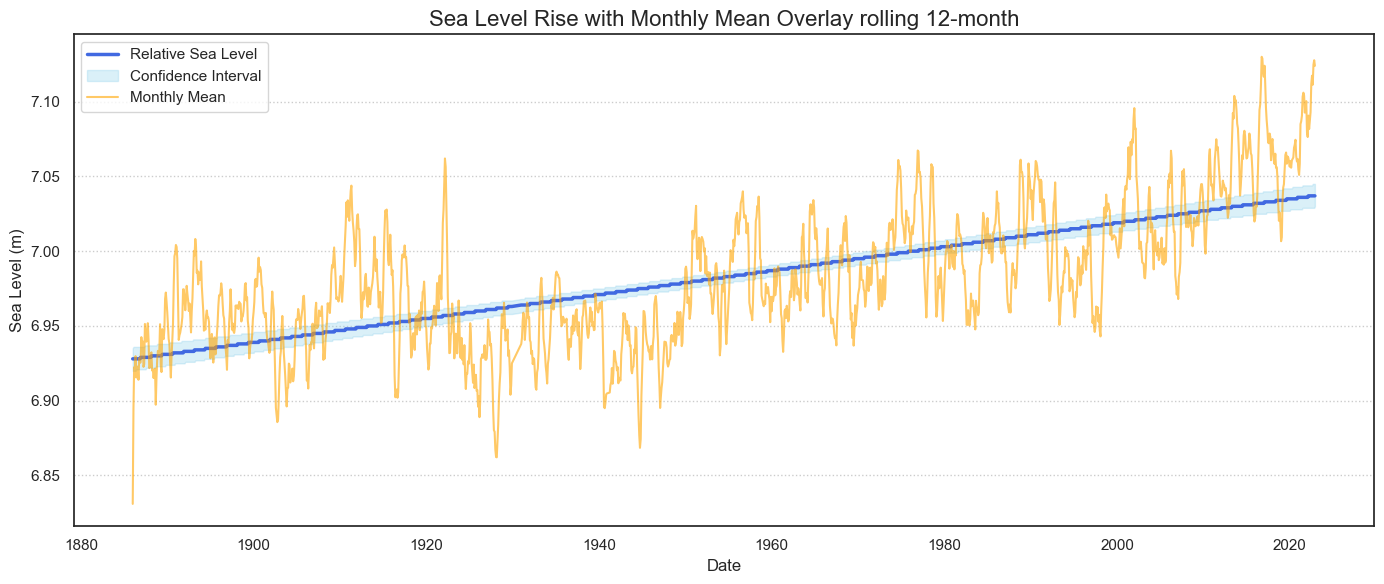
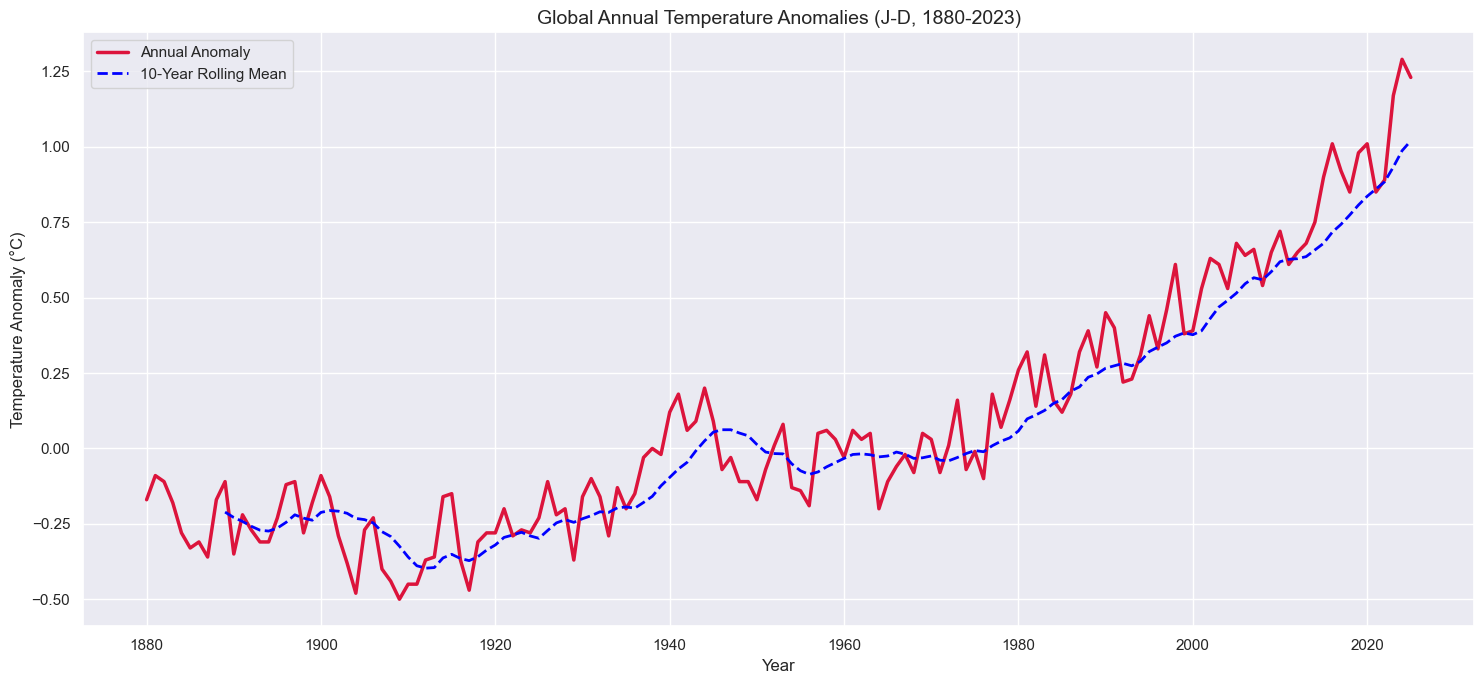
The strength of climate evidence lies in independent measurement systems arriving at compatible conclusions across different time scales.
Read article
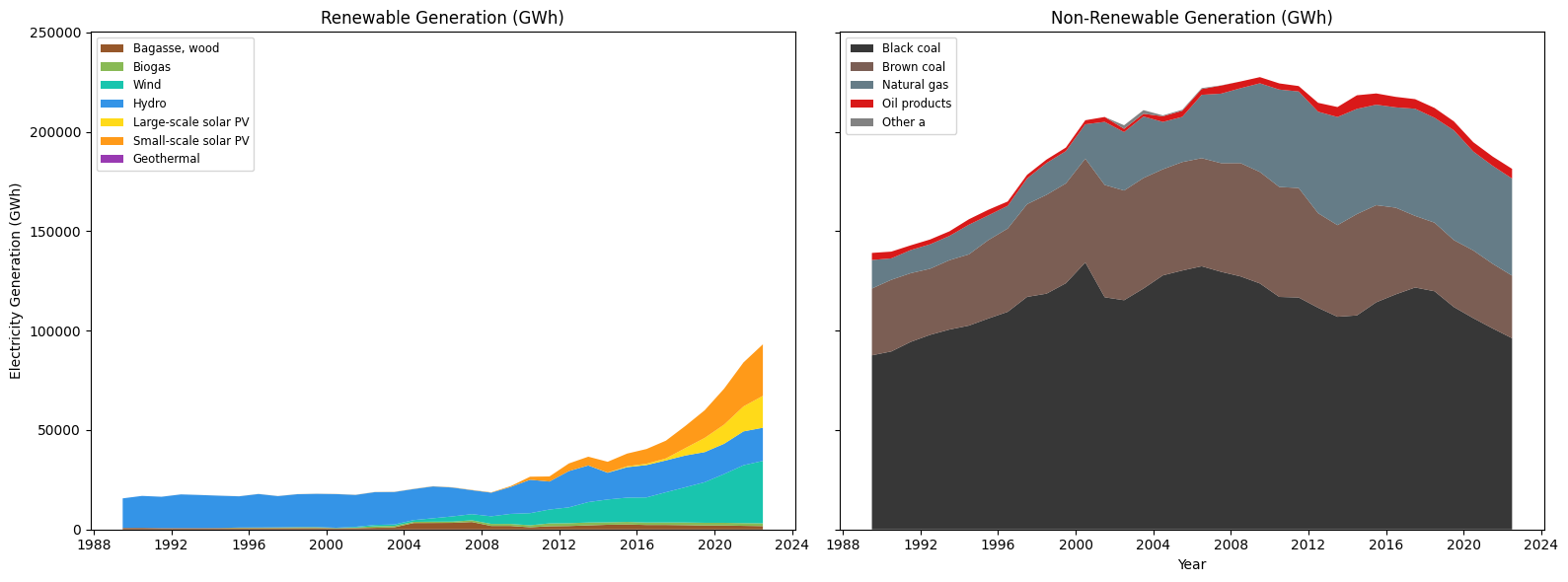
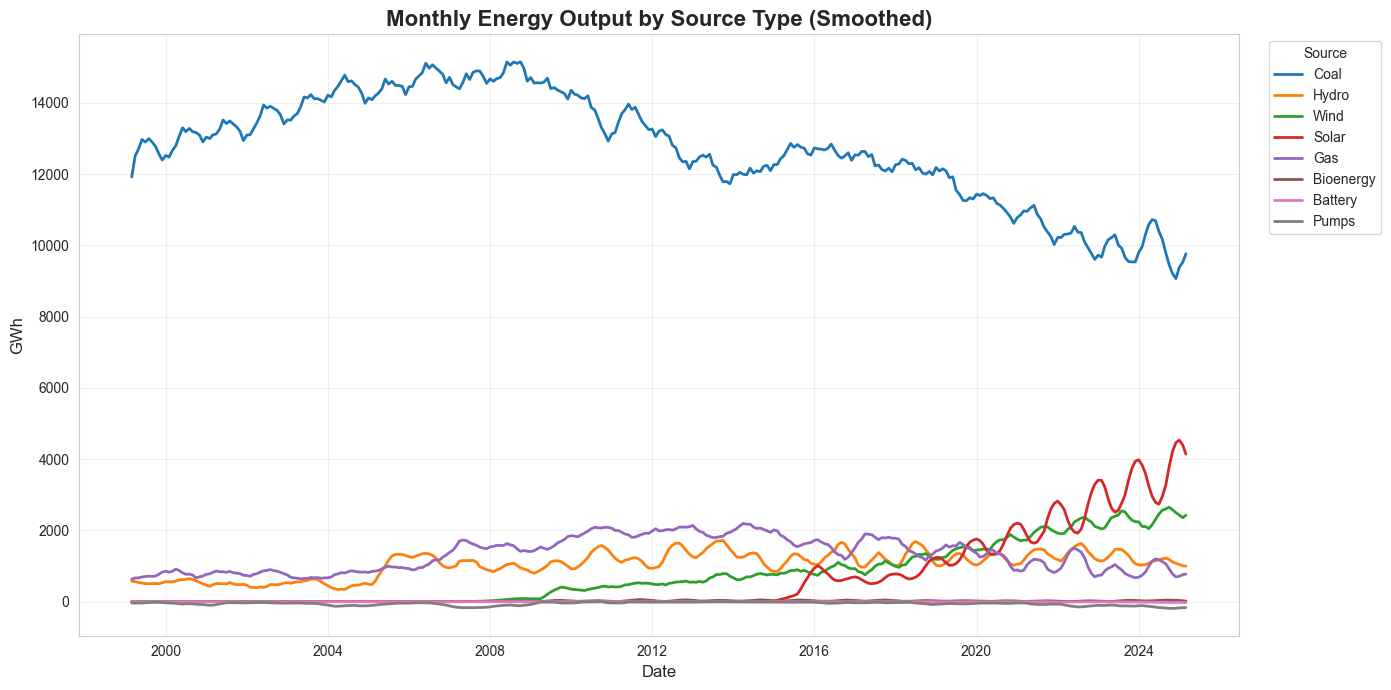
Australia's transition is visible in the data: coal is declining while wind and solar become material contributors, making storage, transmission and flexible demand central to the next phase.
Read article
Australia's transition is a physical build-out: generation resources, geography and grid connections shape whether renewable projects can contribute to a reliable low-emissions system.
Read article
Electricity is central to decarbonisation, but a credible Australian transition must also confront the broader energy balance ? especially petroleum use and the sectors that depend on it.
Read article
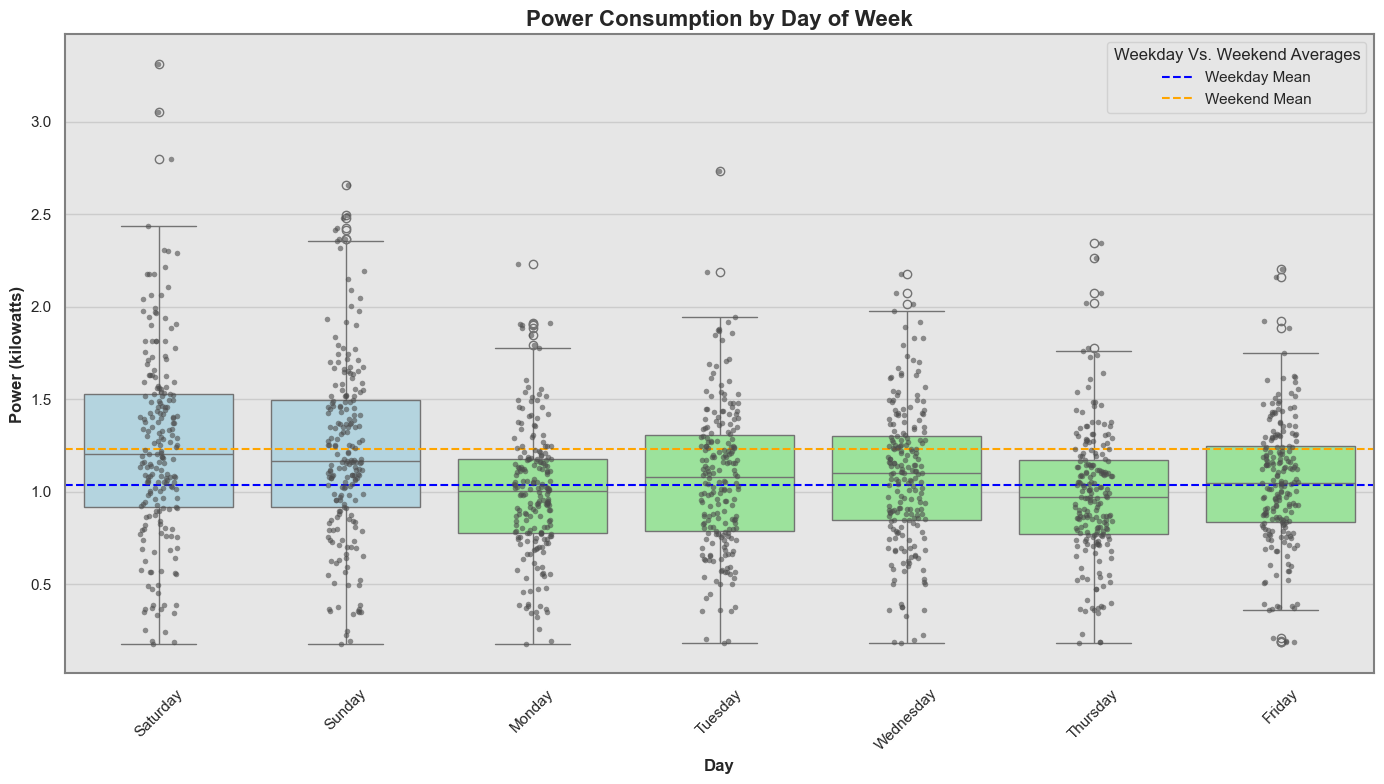
Electricity demand is behavioural as well as technical; understanding its weekly rhythm helps a renewable grid use clean supply more effectively.
Read article